Text and images by Screenpunk in collaboration with various AI-agents. February 2026
To contrast the session that aimed to generate images that express connection in social interactions, I performed a session to generate images that express the opposite of connection, that of interactive detachment. My impression is that Midjourney has a better library to express social connectivity than detachment. The rationale possibly being that smiles and other affects that express sociopsychological connectivity are stronger embedded in public image culture, than expressions of detachment and deconnection.
A lot of visual cues of detachment appear theatrical and lack sincerity and authenticity in various degrees, as some of the images down here, and the eye-rolling one up, show. For the study of post-authentic expressionism this observation is relevant in that it provides an oppurtunity to try to observe the visual distinction between authentic and non-authentic expression in more detail.


An eye-rolling contempt smile says: You’re not worth my full attention. It breaks alignment, signals impatience, and pushes the other person out of the shared moment.


A smirking contempt smile says: I’m above this—and I know it. It weaponizes amusement, turns the interaction into a private joke, and creates distance through superiority.
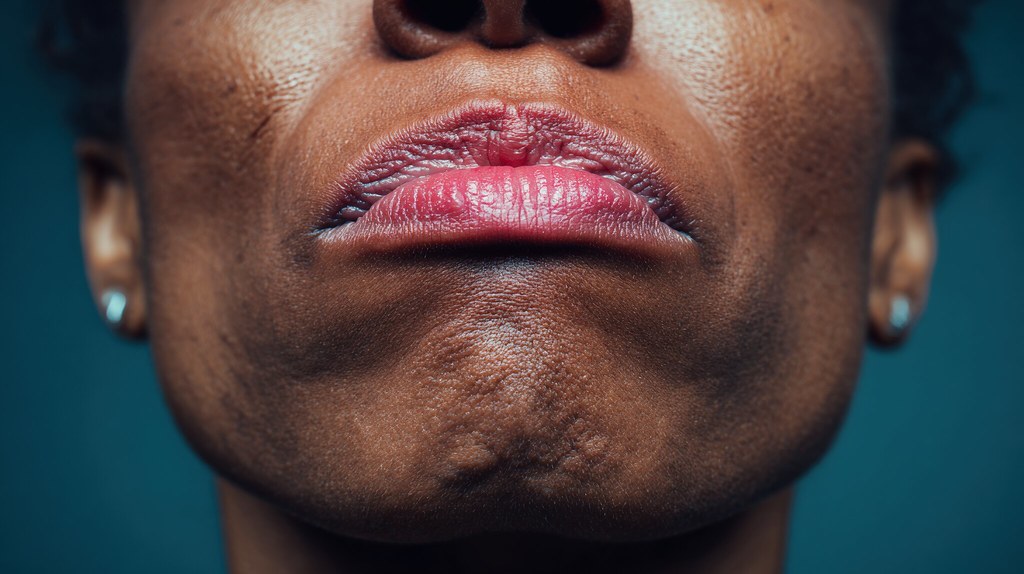

A sneering contempt smile says: You disgust me a little. It adds visible rejection to the face, making connection feel unsafe and shutting down openness fast.


A withholding-approval smile says: I could validate you, but I won’t. It keeps the other person performing, maintains control, and replaces connection with evaluation.


A forced-grin smile says: I’ll play nice, but I’m not here with you. It imitates warmth while hiding resistance, creating a brittle, artificial closeness.


A contemptuous-silence smile says: I won’t even grant you a response. It removes reciprocity, freezes the exchange, and makes the other person feel erased.


A morally contemptuous smile says: I’m right, and you’re beneath me. It frames the other person as flawed in character, not just mistaken, and widens distance through judgement.


A social-status contempt smile says: Know your place. It ranks the room, denies equality, and turns interaction into hierarchy instead of contact.
“The abyss got bored and started a podcast.”