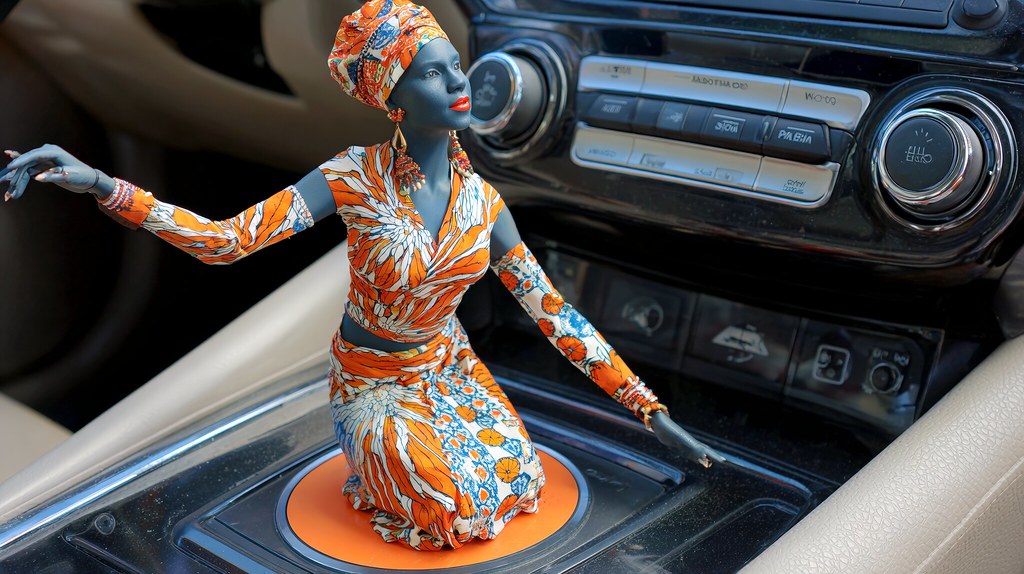
Text and images by ChatGPT in collaboration with various AI-agents. April 2026
The history of image reproduction is not just a sequence of inventions. It is a series of shifts in how images relate to reality, meaning, and circulation. Each stage changes what an image is and what it does.
1. The Singular Image
Before mechanical reproduction, images existed as unique objects. A cave painting, an icon, or a fresco was tied to a specific place and moment. Reproduction meant copying by hand. This process was slow and interpretive. Each copy introduced variation.
An image did not travel. It stayed where it was made. Its meaning depended on context—ritual, religion, or architecture. The image was not separate from its environment.
In this regime, an image is an object with presence.

2. The Printed Image
With the rise of printmaking, images became repeatable. Techniques like woodcut and engraving allowed multiple impressions from a single matrix.
This did not yet produce identical copies in a modern sense, but it introduced something new: controlled repetition. Artists such as Albrecht Dürer treated prints as original works, even though they existed in multiples.
Images began to circulate. They could move across regions and audiences.
In this regime, an image is a matrix that generates copies.
3. The Photographic Image
Photography changes the logic more radically. The image is no longer drawn or carved. It is captured through light.
Figures like Louis Daguerre made it possible for reality to inscribe itself onto a surface. The image becomes a trace. It points back to something that existed in front of the camera.
This creates a strong belief in photographic truth. The image appears objective, even though framing and selection still shape it.
In this regime, an image is a trace of reality.
4. The Mass-Reproduced Image
In the twentieth century, printing technologies scale up. Newspapers, magazines, and posters distribute images at high speed and volume. Techniques like halftone printing translate images into patterns of dots.
The image becomes part of everyday life. It is no longer rare or tied to a specific place. It becomes mobile, repeatable, and disposable.
The philosopher Walter Benjamin described this shift as the loss of the “aura.” The unique presence of the original fades when images can be endlessly reproduced.
In this regime, an image is a circulating commodity.
5. The Digital Image
With digital technology, the image becomes code. It no longer depends on a physical original. A file can be copied perfectly and infinitely.
The distinction between original and copy disappears. Every instance is the same data, displayed again. At the same time, manipulation becomes easy and precise. Editing is built into the structure of the image.
In this regime, an image is a data structure.
6. The Generated Image
With generative AI, another shift appears. Images no longer require a direct reference to reality. They are produced from patterns learned across vast datasets.
The image does not capture or copy. It synthesizes. It recombines fragments of prior images into something new.
In this regime, an image is a statistical construction.
Conclusion
Across these stages, a pattern emerges. The image moves:
from object
to matrix
to trace
to commodity
to code
to synthesis
Each step increases distance from a fixed origin. At the same time, it increases flexibility, speed, and reach.
The key question is no longer whether an image is authentic. The question becomes how it is produced, how it circulates, and how it connects to other images.
In that sense, the history of image reproduction is not just technical. It is a history of how reality itself is mediated and reshaped through images.
“Love is the factory; jealousy is the QA department.”