Text and images by ChatGPT in collaboration with various AI-agents. December 2024
As creative practices continue to evolve, the emergence of AI image generation has introduced a new paradigm in art-making. At first glance, AI image generation might seem like a tool-driven approach, far removed from the philosophical underpinnings of conceptual art. However, closer inspection reveals fascinating overlaps and stark contrasts between these two practices. Both prioritize ideas over traditional craftsmanship, but they differ in purpose, process, and the role of the artist. Let’s delve into these similarities and differences and explore how they redefine creativity in the modern age.
Similarities: Where Ideas Take Center Stage
1. Idea-Centric Creation
At the heart of both AI image generation and conceptual art lies the primacy of ideas. In conceptual art, the concept often overshadows the physical artifact itself. Whether through installations, ready-made objects, or performances, the artist emphasizes the meaning behind the work rather than its execution.
Similarly, AI image generation relies on the artist's ability to craft prompts, which serve as the conceptual foundation for the output. The resulting images are less about the technical skill of the artist and more about the strength and clarity of their ideas. Both practices position the artist as a thinker and orchestrator of meaning.
2. De-Emphasis on Craftsmanship
In both approaches, traditional artistic craftsmanship is not the focal point. Conceptual artists often delegate the production of their work to others or use pre-existing objects, emphasizing thought over manual skill. Similarly, AI image generation automates the execution of visual details, allowing the artist to focus on conceptual input. The creative act lies in shaping ideas, not laboring over the physical artifact.
3. Boundary-Pushing Innovation
Both AI image generation and conceptual art challenge traditional definitions of art. Conceptual art disrupted the art world by prioritizing ideas over aesthetics, while AI image generation questions the role of human creativity in art-making. Both practices provoke audiences to reconsider what constitutes art and who or what can create it.

Differences: Diverging Paths in Artistic Practice
1. Role of the Medium
The choice of medium plays a defining role in distinguishing these practices. Conceptual art often transcends physical limitations, using any material or action that best conveys the idea—be it text, performance, or installations. By contrast, AI image generation is inherently tied to the digital realm. The output is always visual, constrained by the algorithms and styles the AI can replicate.
2. Role of the Artist
Conceptual artists are often seen as philosophers or critics, using art to question societal, cultural, or artistic norms. Their work is deeply tied to their intent and intellectual frameworks. On the other hand, an AI image generator serves as a collaborator or tool, with the artist guiding it through prompts. This shifts the role of the artist from creator to designer or curator, balancing creative vision with machine input.
3. Relationship to Process
In conceptual art, the process itself is often integral to the work. The act of arranging, performing, or documenting an idea becomes part of the artwork’s meaning. In contrast, AI image generation prioritizes the final product. While the iterative refinement of prompts is significant, the process is not typically part of the artwork’s narrative.
4. Authorship and Intent
Conceptual art is deeply tied to the artist's intent. The artist alone determines the meaning and purpose behind the work. In AI image generation, authorship is more ambiguous. While the artist defines the parameters, the machine plays an active role in interpreting and executing the concept, leading to shared or even unclear authorship.
Philosophical Divide: Art as Critique vs. Art as Expansion
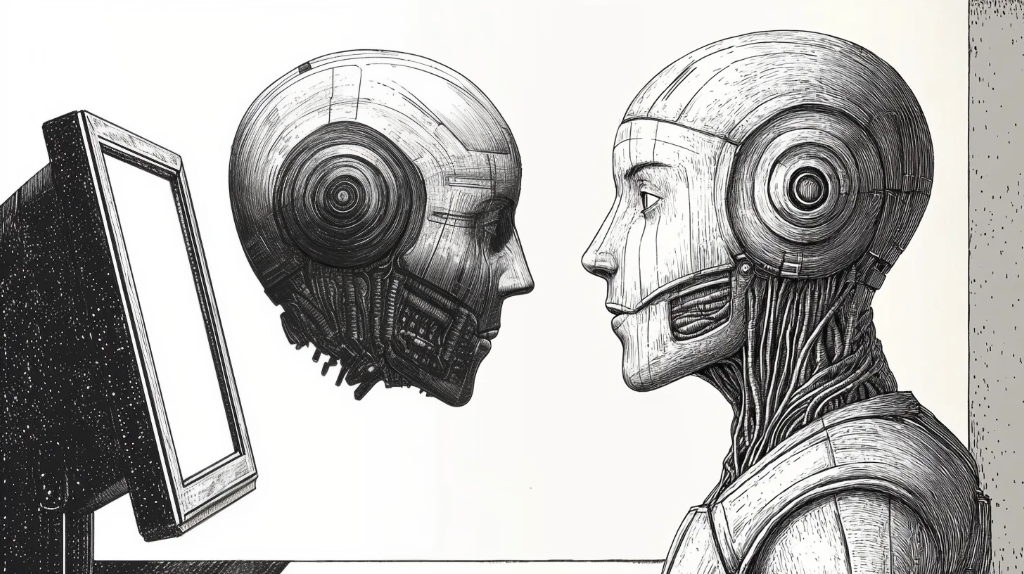
Perhaps the most significant difference lies in their philosophical underpinnings. Conceptual art often critiques or questions art itself, aiming to provoke thought and redefine artistic norms. It thrives on challenging audiences to engage intellectually. AI image generation, however, is less about critique and more about expanding possibilities. It democratizes artistic tools, enabling creators to explore ideas and styles that might have been inaccessible through traditional means.
Conclusion
Both AI image generation and conceptual art place ideas at the forefront of creation, redefining the role of the artist in a world where execution is no longer the defining factor. While they share common ground in their emphasis on conceptual thinking, they diverge in their relationship to medium, process, and purpose. Together, they represent two sides of a transformative moment in art: one grounded in intellectual critique, the other in technological expansion.
By exploring their similarities and differences, we gain a deeper appreciation for how these practices challenge and inspire us, pushing the boundaries of what art can be.
“The self is a rumor your memories keep repeating.”