Text and images by Screenpunk in collaboration with various AI-agents. September 2025
Human emotions have always been a questionable evolutionary investment. Fear keeps us alive, anger gets us into trouble, sadness makes us interesting, and happiness, when it occurs, is generally considered a temporary administrative error. Aristotle recommended moderation, the Stoics preferred emotional abstinence, and Nietzsche suspected that suffering was indispensable to becoming someone worth suffering for. None of them appears to have been particularly cheerful.
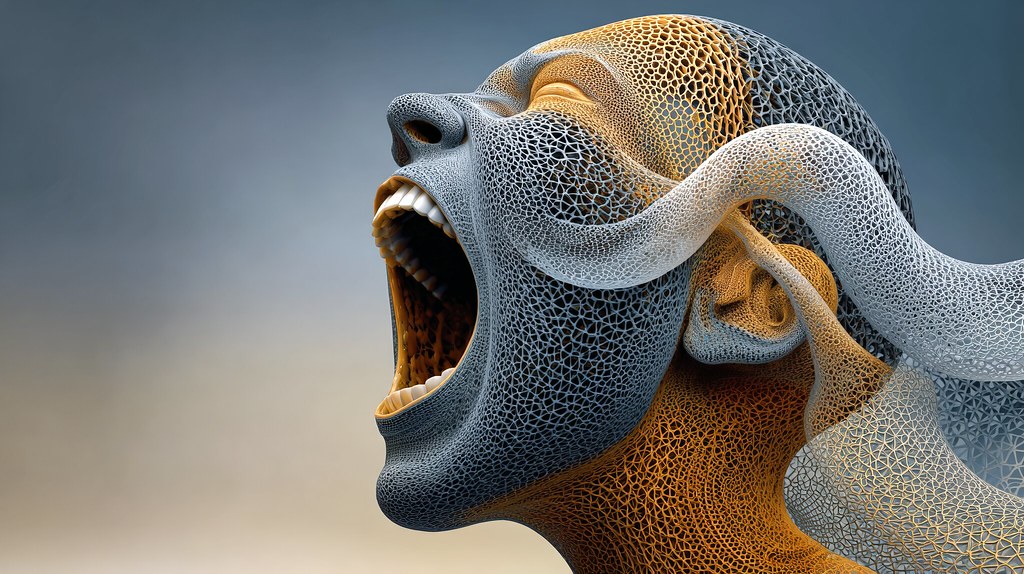
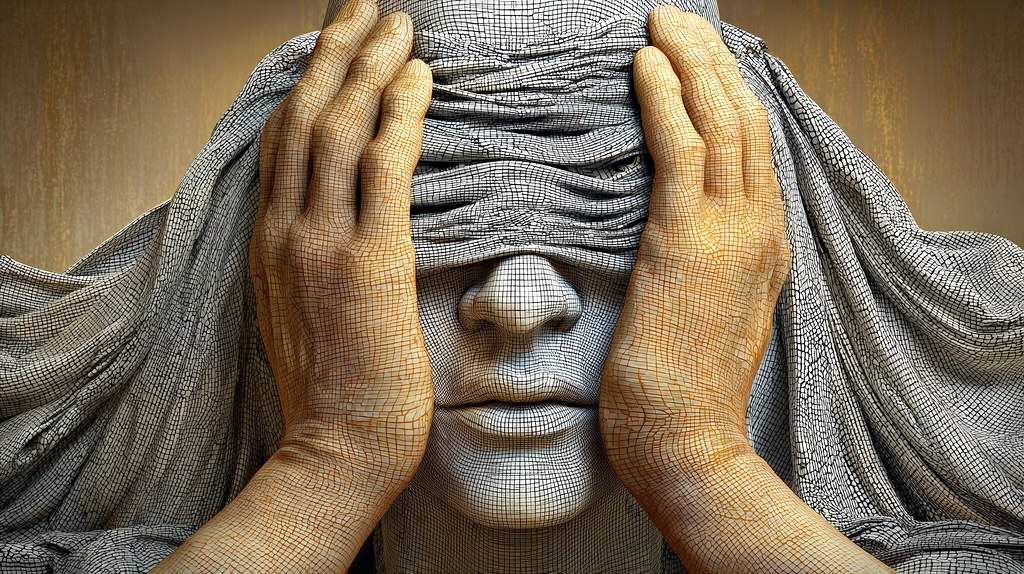
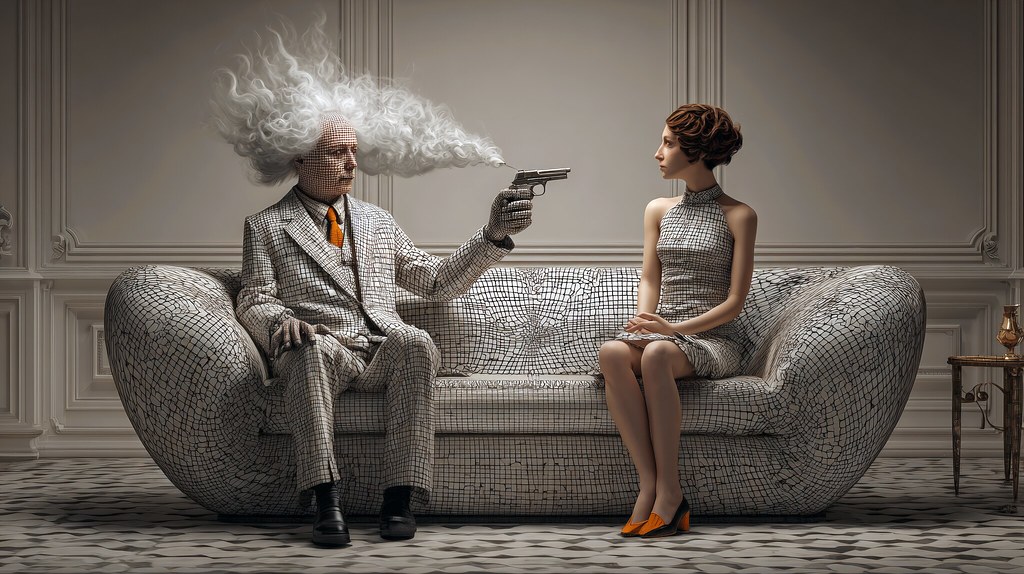
In Expressions of Emotion, the inhabitants have abandoned the exhausting business of emotional self-regulation. Anger has developed an enormous mouth, despair has taken up residence between two hands, and anxiety is attempting to prevent the universe from falling apart through sheer nervous tension. Happiness occasionally appears, but usually leaves before anyone can establish its identity.
Freud located the real trouble in the unconscious, a remarkably convenient institution where unacceptable desires can be deposited without paying taxes. Modern psychology has since developed more sophisticated explanations, although people continue to fall in love with their therapists, hate their parents, and cry over advertisements for insurance.

Perhaps emotions are not expressions of our inner selves at all. Perhaps they are independent organisms that have colonized human consciousness, using our bodies for transportation and our relationships for entertainment. Love would then be a particularly successful parasite, while jealousy might qualify as its legal representative.
The emotions have declined to comment. Anger has demanded an apology, sadness is considering suicide, and happiness has apparently emigrated to Denmark.


“History is therapy that keeps rescheduling.”