Text and images by Screenpunk in collaboration with various AI-agents. August 2026
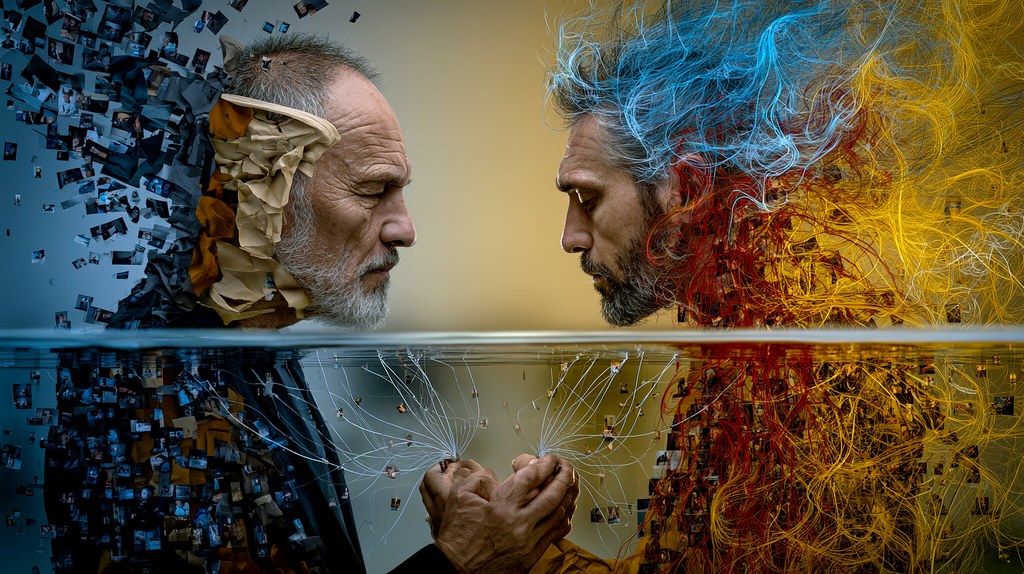
Nietzsche Weeps is an image series about the unstable space between philosophy and vulnerability, loosely inspired by Irvin D. Yalom’s novel When Nietzsche Wept. In the novel, the early psychoanalyst Joseph Breuer tries to help the philosopher Friedrich Nietzsche, but in the course of their analysis the roles of analyst and patient begin to reverse. The series follows this reversal as a visual pressure system: thought becomes confession, authority becomes need, and the person who appears to listen may be the one most exposed.
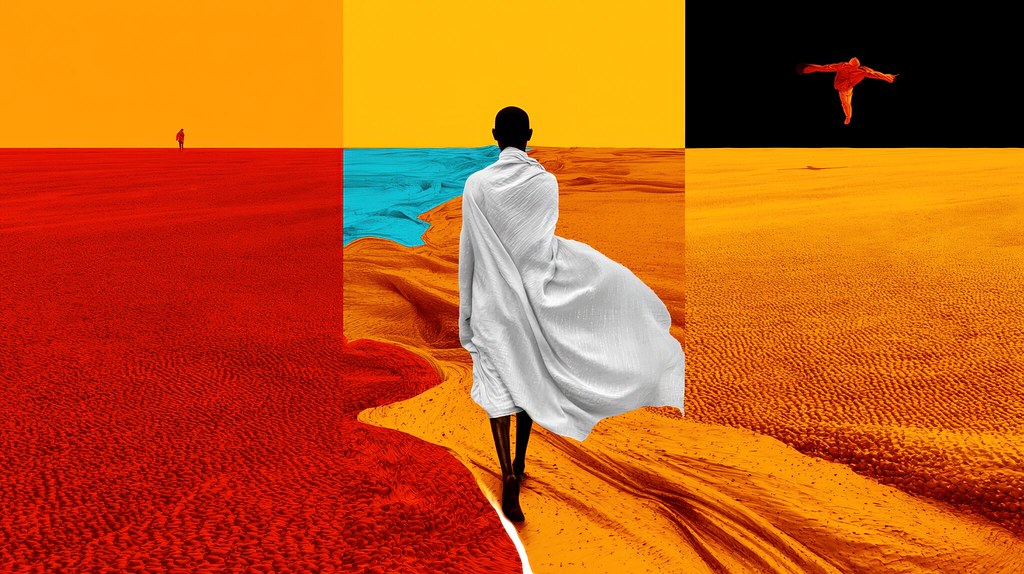
The image series does not attempt to illustrate the book or reconstruct the historical Nietzsche. Instead, it reimagines philosophical conflict as a visible psychological environment: a world of bodies, membranes, color fields, currents, barriers, and competing forces.

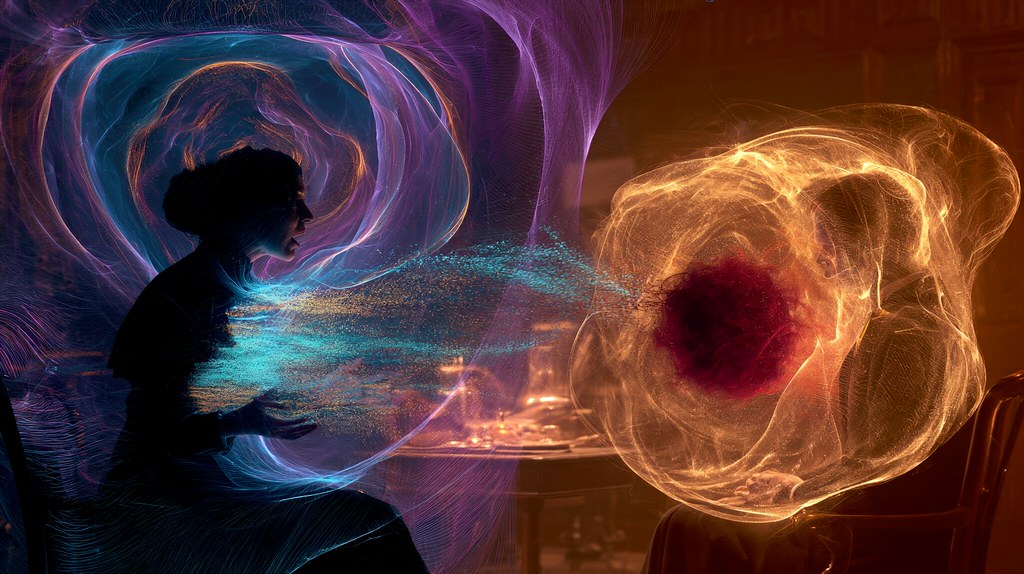
The series moves through four interconnected territories: Countertransference, In Between Powers, Learning to Fly, and Finale. Across these chapters, identities shift and historical roles become fluid. Philosopher and physician, speaker and listener, woman and man may exchange positions. The encounter is treated less as a fixed narrative than as a dynamic system in which confession, resistance, desire, and interpretation continually transform one another.

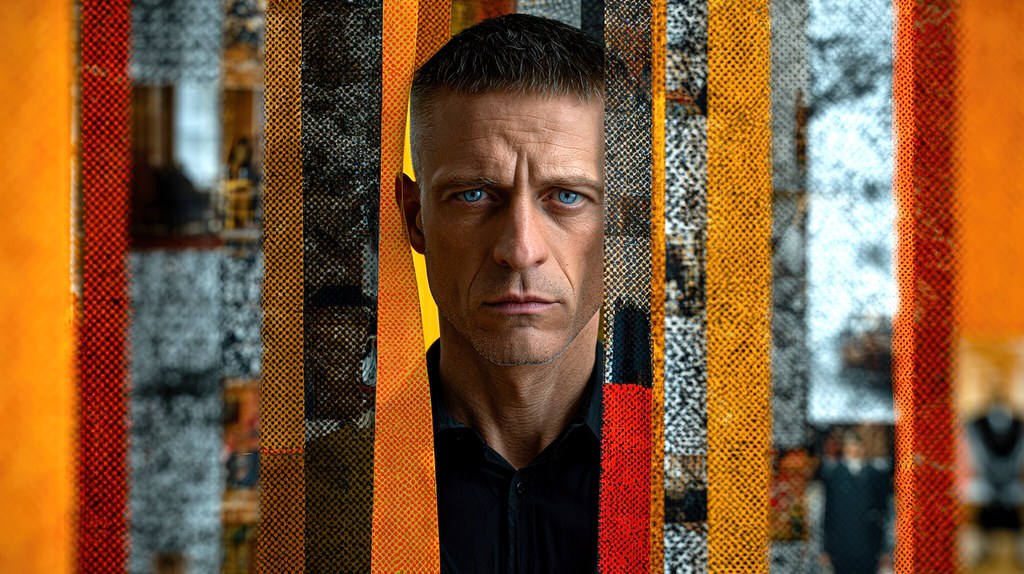
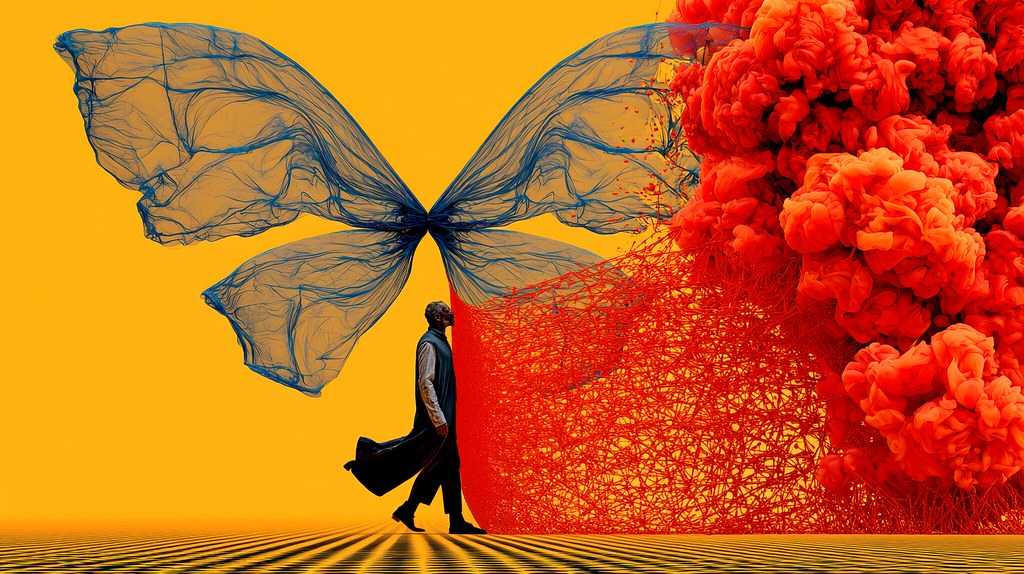
Here, emotions do not remain hidden inside the figure. They become material events. Cobalt streams carry confession; amber fields receive or deflect it; crimson structures crystallize around fear and possession. Wings promise transcendence but must first negotiate gravity. Doors suggest unlived lives, while invisible pressures pull the individual between inherited expectations and self-determination.

At the center of the series lies a contradiction: the thinker who advocates overcoming must also confront dependence, loneliness, and grief. Strength is no longer the absence of vulnerability. It emerges through the difficult act of allowing what has been repressed to become visible.

Created through human–AI collaboration, Nietzsche Weeps combines photorealistic figurative surrealism with the behavioral language of Color Driven Systems Art. Rather than using color as decoration, the images give it agency. Color attracts, repels, compresses, absorbs, and escapes. Each work becomes a temporary map of forces acting upon the self—and of the uncertain moment when that self begins to act back.








“Progress is a ladder leaning on a cloud.”